



Most HVAC failures are not sudden. They are the visible end of a slow decline that started months earlier with a dirty coil, a drifting capacitor or a drain line quietly filling with algae. Maintenance is simply the practice of catching those things while they are still cheap.
Texas makes this more urgent than most climates. Cooling equipment here runs eight or nine months a year, humidity keeps drains and coils under constant biological pressure, and dust and pollen load filters faster than manufacturers’ schedules assume. A calendar built for Ohio will not keep a Houston system healthy.
What follows is a season-by-season plan: what you should do yourself, and what genuinely requires a licensed technician.
Spring (February – April): The Most Important Visit of the Year
Spring is when you find out whether your air conditioner will survive August. Book professional service before the first sustained 90-degree stretch — not after.
What a Technician Should Do
- Clean the condenser and evaporator coils
- Measure refrigerant pressures and calculate superheat and subcooling
- Test capacitors against their rated microfarad values and inspect the contactor
- Check amp draw on the compressor and blower motor
- Clear and treat the condensate drain, and verify the safety float switch
- Measure static pressure and temperature split across the coil
- Verify thermostat calibration and staging
- Tighten electrical connections and inspect the disconnect
What You Should Do
- Replace the filter and note the date
- Clear two feet around the outdoor unit; trim shrubs and pull weeds
- Rinse the condenser fins gently with a garden hose from the inside out
- Check that the condensate line is draining and not stained or dripping
- Test the system on a mild day: let it run 15 minutes and confirm cold air and no odd noises
Running the system for the first time in April and discovering a problem is inconvenient. Discovering it in July is expensive.
Summer (May – September): Monitoring Under Load
Summer is not the season for major work. It is the season for attention. Your system is running near-continuously, and small changes are meaningful signals.
Monthly
- Check the filter. In peak season, one-inch filters frequently need replacing every 30 days.
- Look at the outdoor unit. Grass clippings, cottonwood and dust accumulate quickly.
- Confirm the condensate drain is still flowing.
Watch For
- Longer run times at the same thermostat setting
- Warm or weak air from vents
- Ice on the refrigerant lines or the indoor coil
- Water near the indoor unit or stains on the ceiling below it
- New sounds — grinding, screeching, repeated clicking at start-up
- A bill that jumps without a change in weather or habits
Ice is the one that surprises people. It usually means restricted airflow or low refrigerant, and the correct response is to turn the system off and let it thaw before calling. Running it frozen risks liquid refrigerant reaching the compressor, which is a repair measured in thousands rather than hundreds.
Do Not
- Close vents in unused rooms
- Cover the outdoor unit
- Set the thermostat below 68 hoping to cool faster
- Pressure-wash the condenser fins
Fall (October – November): Switch the Focus to Heating
The cooling season here is long, but it does end, and the heating side has been sitting untouched for eight months.
Gas Furnaces
Combustion equipment deserves a genuine safety inspection, not a glance. A technician should inspect the heat exchanger for cracks, test the flame sensor and igniter, check gas pressure and burner operation, verify the flue draws properly, and confirm the safety controls function.
The heat exchanger inspection is the one that matters most. A cracked heat exchanger can put carbon monoxide into your living space, and it is not something you can assess yourself.
Heat Pumps
A heat pump has been running all summer and is about to start its heating season, which is why it earns two visits a year. Fall service should verify defrost cycle operation, reversing valve function, auxiliary heat staging and refrigerant charge.
What You Should Do
- Replace the filter before heating season
- Test the heat on a cool day, before you need it
- Replace the batteries in smoke and carbon monoxide detectors
- Note any burning smell on first start — a little dust burn-off is normal for a few minutes; anything persistent is not

Winter (December – January): Freeze Protection
Texas winters are mostly mild and occasionally severe, and the severe ones cause enormous damage because homes here are not built for them.
Before a Hard Freeze
- Know where your water shutoff is
- Insulate exposed pipes, especially on exterior walls and in unconditioned space
- Open cabinet doors under sinks on exterior walls
- Let a faucet drip on the coldest nights
- Do not turn the heat off if you leave; set it no lower than 55
For the HVAC System
- Keep the outdoor unit clear of ice and debris; a heat pump needs airflow in winter too
- Never chip ice off a heat pump with a tool — the defrost cycle handles normal frost
- If the system fails during a freeze, protect the plumbing first
Also Worth Doing
- Replace the filter
- Check attic insulation depth while you are up there
- Review whether any rooms are noticeably colder, which often points to duct or balance problems worth solving before next winter
The Filter Question, Settled
Filters cause more preventable service calls than any other single item, so it is worth being specific.
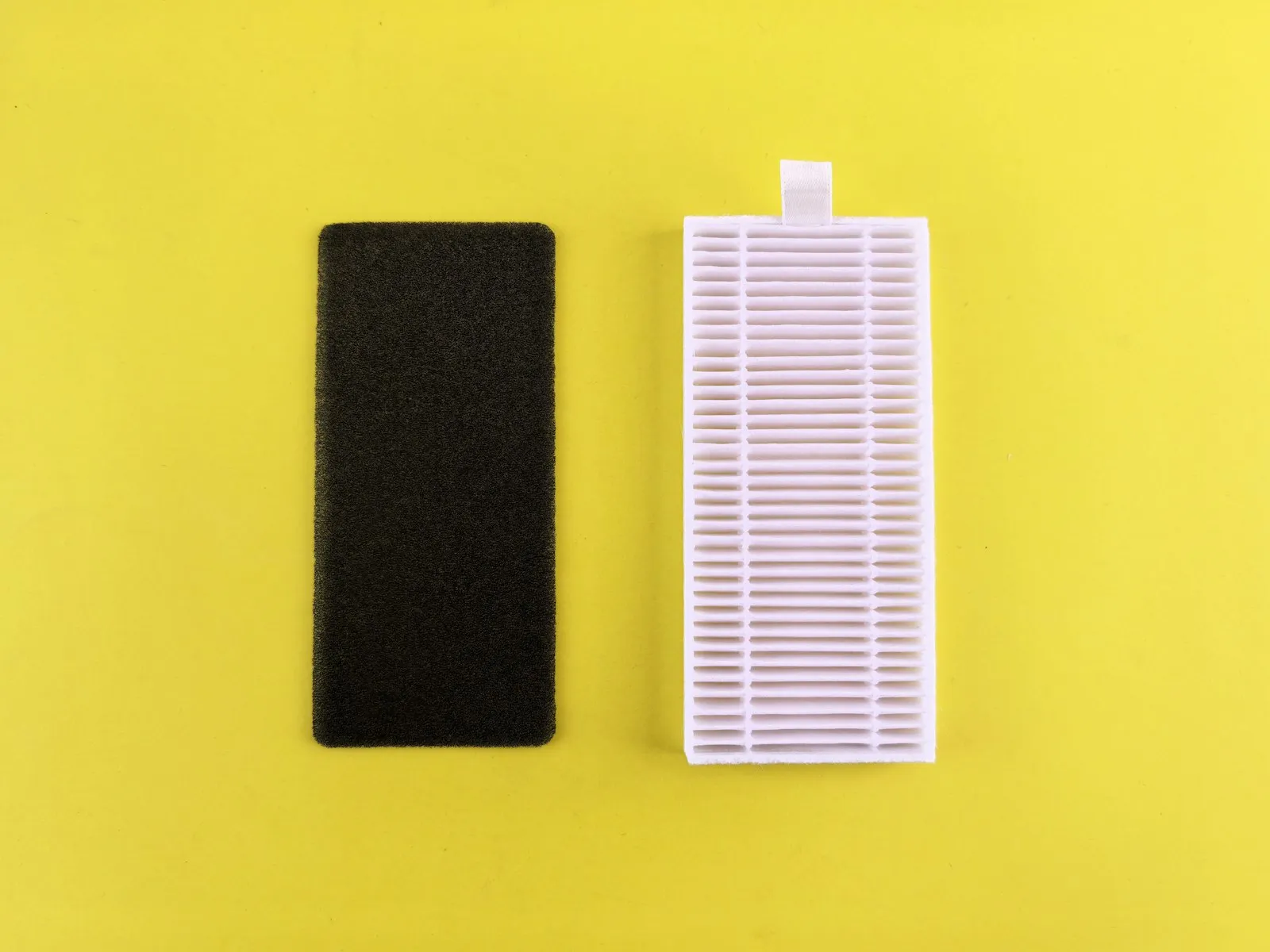
One-inch pleated filters need checking monthly and typically last 30 to 60 days in Texas. During heavy pollen or if you have pets, closer to 30.
Four- and five-inch media filters last six months to a year and are a meaningful upgrade if your system can accommodate one.
MERV rating should generally sit between 8 and 11 for residential equipment. Higher ratings capture smaller particles but restrict airflow, and a system starved of air runs hot, cools poorly and can freeze. Do not fit a MERV 16 filter to a system designed for MERV 8.
Fit matters as much as rating. A filter that does not seal against its frame lets air bypass it entirely, which means the coil gets dirty anyway.
The Condensate Drain Deserves Its Own Section
Nothing on a Texas air conditioner causes more avoidable damage than the condensate drain, and almost nothing is easier to maintain.
Here is why it matters. Cooling air below its dew point pulls water out of it, and in Gulf Coast humidity a residential system can remove ten to twenty gallons a day. That water collects in the drain pan and leaves through a PVC line. The line is dark, wet and warm — ideal conditions for algae and biofilm, which grow until the pipe blocks.
When it blocks, one of two things happens. If your system has a float switch and the switch works, the system shuts off and you have no cooling on a hot day. If it does not, the pan overflows, and because the air handler is usually in the attic, the water finds your ceiling.
Prevention takes five minutes every couple of months. Pour a cup of distilled white vinegar into the cleanout tee near the air handler. Vinegar kills algae without damaging PVC. Avoid bleach, which degrades the glue joints and corrodes anything metal it reaches.
Also confirm each season that the line actually drains — find the outdoor termination and check for a steady drip while the system runs on a humid day. No water on a humid afternoon means either the line is blocked or the system is not dehumidifying, and both need attention.
Ask your technician to confirm three things: that a float safety switch is installed and tested, that the drain line is properly pitched and supported, and that the secondary or emergency pan under an attic unit is intact and has its own drain or switch. Many homes are missing at least one of these, and adding them is inexpensive insurance against a ceiling repair.
Keeping Records That Are Worth Something
“Documented maintenance” only counts if the documentation says something. A receipt reading “AC tune-up — paid” will not satisfy a warranty claim and will not help the next technician.
A useful service record includes the date, the equipment model and serial numbers, the measurements taken — refrigerant pressures, superheat and subcooling, capacitor readings, amp draws, static pressure, temperature split — any parts replaced, and what the technician recommended.
Those numbers matter because they establish a trend. A capacitor reading slightly low this year and lower next year tells a story that a single reading cannot. Static pressure creeping upward over three visits points to a developing duct or filter problem long before anyone notices reduced airflow.
Keep the records somewhere you will find them: a folder near the equipment, a photo in your phone, or a note in your email. When you sell the house, a complete maintenance history is genuine evidence that the system was cared for.
Why This Pays
Deferred maintenance is not saved money; it is borrowed money at a poor rate. A capacitor caught in spring is inexpensive. The same capacitor left alone runs the compressor hot until the compressor fails, and that is a repair large enough that many homeowners replace the system instead.
There is also the warranty question. Most manufacturers require documented annual maintenance to keep the parts warranty valid, and homeowners routinely discover this only when a claim is denied. Keep your service records.
A maintenance agreement usually bundles the spring and fall visits with priority scheduling and a discount on repairs, which is why it tends to cost less than the same services purchased separately. Our annual maintenance plan covers both visits and the documentation.
Frequently Asked Questions
Can I do maintenance myself?
You can and should do the homeowner tasks — filters, clearing the outdoor unit, rinsing fins, watching for changes. Refrigerant work, electrical testing and combustion safety inspection require a licensed technician and, in the case of refrigerant, EPA certification.
How long does professional maintenance take?
A thorough tune-up is 60 to 90 minutes per system. A fifteen-minute visit is not a tune-up.
What if I have not had service in years?
Book it now rather than waiting for the “right” season. The first visit on a neglected system often finds several small issues at once; fixing them together is cheaper than meeting them one emergency at a time.
Does new equipment need maintenance?
Yes, from the first year — both to preserve the warranty and to catch installation defects while they are still the installer’s responsibility.
Put It on the Calendar
The homeowners who avoid emergency calls are rarely the ones with the newest equipment. They are the ones who booked service in March.
At Vision Air Cooling & Heating, we service homes and businesses across Houston, Austin, Dallas, San Antonio, Victoria and Corpus Christi, and we document every visit so your warranty and your records stay intact. See our AC maintenance and furnace maintenance services.
Call (832) 680-6210 or request a free estimate.