



When an air conditioner stops working properly in a Texas August, the first question is always the same: is this something I can sort out myself, or do I need to call someone?
It is a fair question, and the honest answer is that a meaningful share of “broken AC” calls turn out to be a tripped breaker, a clogged filter or a full drain pan — things a homeowner can resolve in ten minutes. The rest involve refrigerant, sealed-system components or line voltage, and those genuinely require a licensed technician.
This guide walks through the twelve faults we see most often across Houston, Austin, Dallas, San Antonio, Victoria and Corpus Christi, what causes each one, and where the line sits between a DIY fix and a service call.
1. The System Runs but Blows Warm Air
Likely causes. Low refrigerant from a leak, a failed compressor, a dirty condenser coil, a tripped outdoor breaker, or the thermostat set to “fan” rather than “cool”.
Check yourself. Confirm the thermostat is on COOL and the fan is on AUTO. Check both breakers — indoor and outdoor units usually have separate ones. Look at the outdoor unit: is the fan spinning? If the indoor blower runs but the outdoor unit is silent, that narrows things considerably.
Call a professional if the outdoor unit is not running, or if it runs and the air is still warm. Both point to refrigerant or compressor issues, which require gauges and certification. See our AC repair service.
2. Ice on the Refrigerant Lines or Indoor Coil
Likely causes. Restricted airflow — usually a clogged filter, closed vents or a dirty evaporator coil — or low refrigerant.
What to do immediately. Turn the system off at the thermostat but leave the fan on AUTO to help it thaw. Replace the filter. Open all vents. Allow several hours; do not chip at the ice.
Call a professional if it refreezes after a filter change. Running a frozen system risks liquid refrigerant reaching the compressor, which turns a modest repair into a major one.
3. Water Around the Indoor Unit or a Ceiling Stain
Likely causes. A clogged condensate drain, a cracked drain pan, or a frozen coil that has thawed.
Check yourself. Find the condensate cleanout near the air handler and pour a cup of distilled white vinegar in. Confirm the outdoor drain termination is dripping on a humid day.
Call a professional if water keeps appearing, if there is a ceiling stain, or if the safety float switch keeps shutting the system down. In Texas humidity a system produces gallons of water daily, and an attic air handler with a blocked drain will find your drywall.
4. The System Short Cycles
Likely causes. An oversized system, a dirty filter, low refrigerant, a failing capacitor, or a thermostat in a bad location — above a lamp, in direct sun, or near a supply vent.
Check yourself. Change the filter and check whether anything is heating the thermostat.
Call a professional otherwise. Short cycling wears the compressor quickly and prevents dehumidification, so it is worth diagnosing properly rather than living with.
5. The Unit Will Not Turn On At All
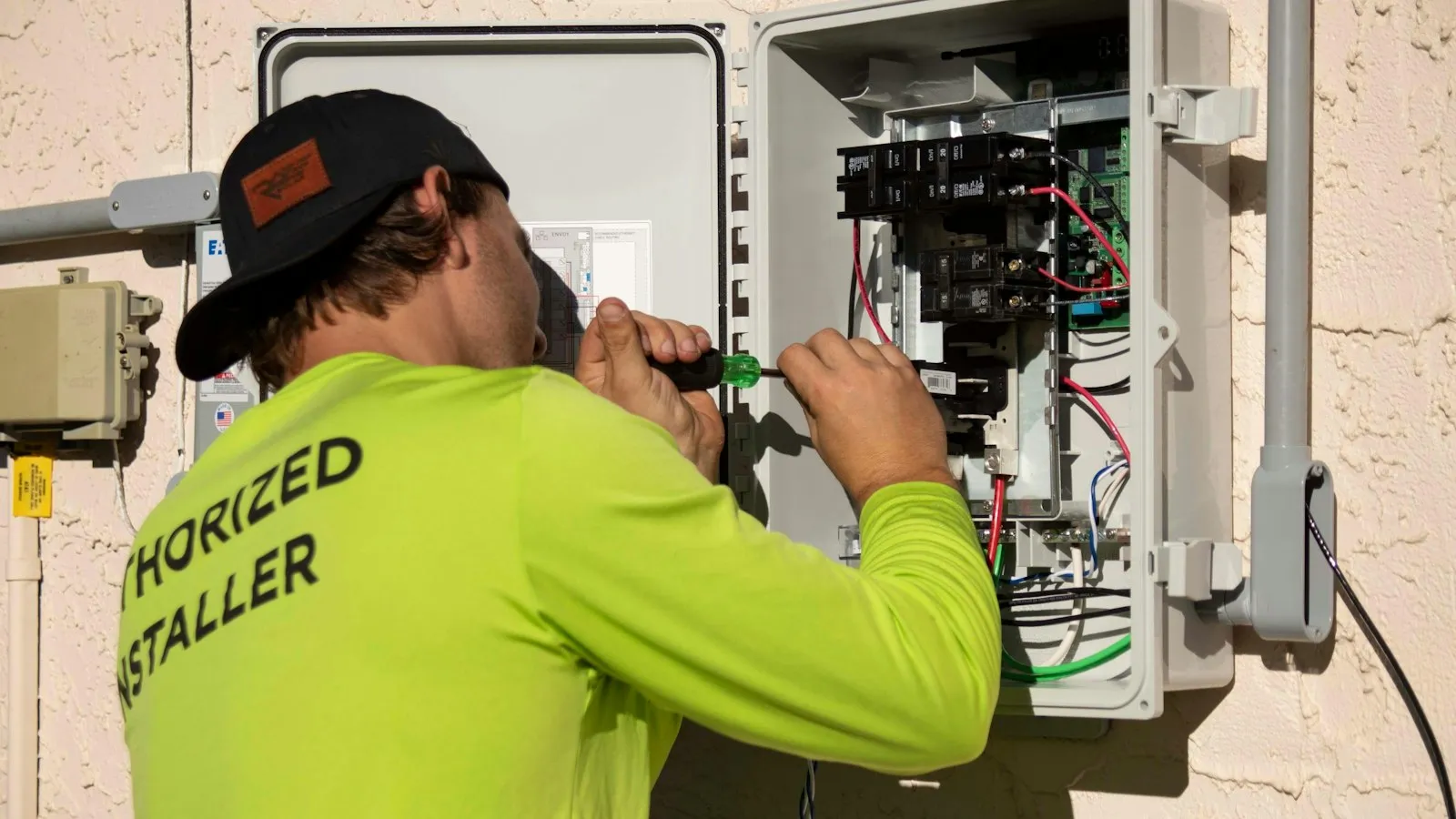
Likely causes. Tripped breaker, dead thermostat batteries, a blown fuse in the disconnect, a tripped condensate float switch, or a failed contactor.
Check yourself. Replace thermostat batteries. Reset breakers once. Check whether the drain pan is full — the float switch is designed to cut power, and this is a common and entirely benign cause.
Call a professional if the breaker trips again. A breaker that trips repeatedly is reporting a genuine electrical fault, and repeatedly resetting it is unsafe.
6. Weak Airflow From the Vents
Likely causes. Clogged filter, blocked or crushed ducts, a failing blower motor, a dirty blower wheel, or undersized return ducts.
Check yourself. Replace the filter, open all vents, and move furniture and rugs off registers.
Call a professional if airflow is still poor. Static pressure testing will identify whether the problem is the blower or the duct design. Persistent weak airflow across the whole house usually indicates a duct issue — see our duct work design service.
7. Strange Noises
Noise is diagnostic, so it is worth listening carefully.
- Grinding or screeching — motor bearings failing. Turn it off and call.
- Repeated clicking at start-up — usually a failing capacitor or contactor.
- Banging or clanking — a loose or broken component inside the compressor or blower assembly.
- Hissing — a refrigerant leak, or ductwork leaking under pressure.
- Buzzing — an electrical issue, often the contactor.
- Rattling — frequently just loose panel screws or debris in the outdoor unit, which is safe to check with the power off.
Anything mechanical and loud warrants shutting the system down rather than running it until it fails completely.
8. High Humidity Despite Cold Air
Likely causes. An oversized system short cycling, a fan set to ON instead of AUTO, or insufficient run time in mild weather.
Check yourself. Set the thermostat fan to AUTO. Running it constantly re-evaporates moisture off the coil and pushes it back into the house — a genuinely common and easily fixed mistake.
Call a professional if it persists. The fix is usually a whole-home dehumidifier or, at replacement time, correctly sized variable-speed equipment.
9. Some Rooms Never Get Comfortable
Likely causes. Duct design problems, leaking ducts in a hot attic, insufficient return air, poor insulation, or simply a two-story house behaving as two-story houses do.
Check yourself. Confirm vents are open and unobstructed, and close blinds on sun-facing windows.
Call a professional for anything persistent. This is usually a distribution problem, solved with duct correction, added returns, zoning, or a ductless unit for a stubborn room.
10. The Electricity Bill Jumped With No Change in Habits
Likely causes. Dirty coils, low refrigerant, failing capacitor, duct leakage, or an aging system in decline.
Check yourself. Replace the filter, rinse the outdoor coil gently with a hose, and clear vegetation around the unit.
Call a professional if the bill stays high. A system with degraded airflow and an incorrect charge can consume 20 percent more energy while cooling less, and a tune-up frequently recovers most of that.
11. A Musty or Burning Smell
Musty means biological growth on the evaporator coil or in the drain pan — a common outcome in humid climates. It needs coil cleaning, and often UV treatment to keep it from returning.
Burning at the start of heating season is usually dust burning off and clears within minutes. At any other time, or if it persists, shut the system down and call — it can indicate an overheating motor or an electrical fault.
A rotten-egg smell near a gas furnace means you should leave the house and call your gas utility immediately. That is not an HVAC service call.
12. The Outdoor Fan Runs but the Compressor Does Not
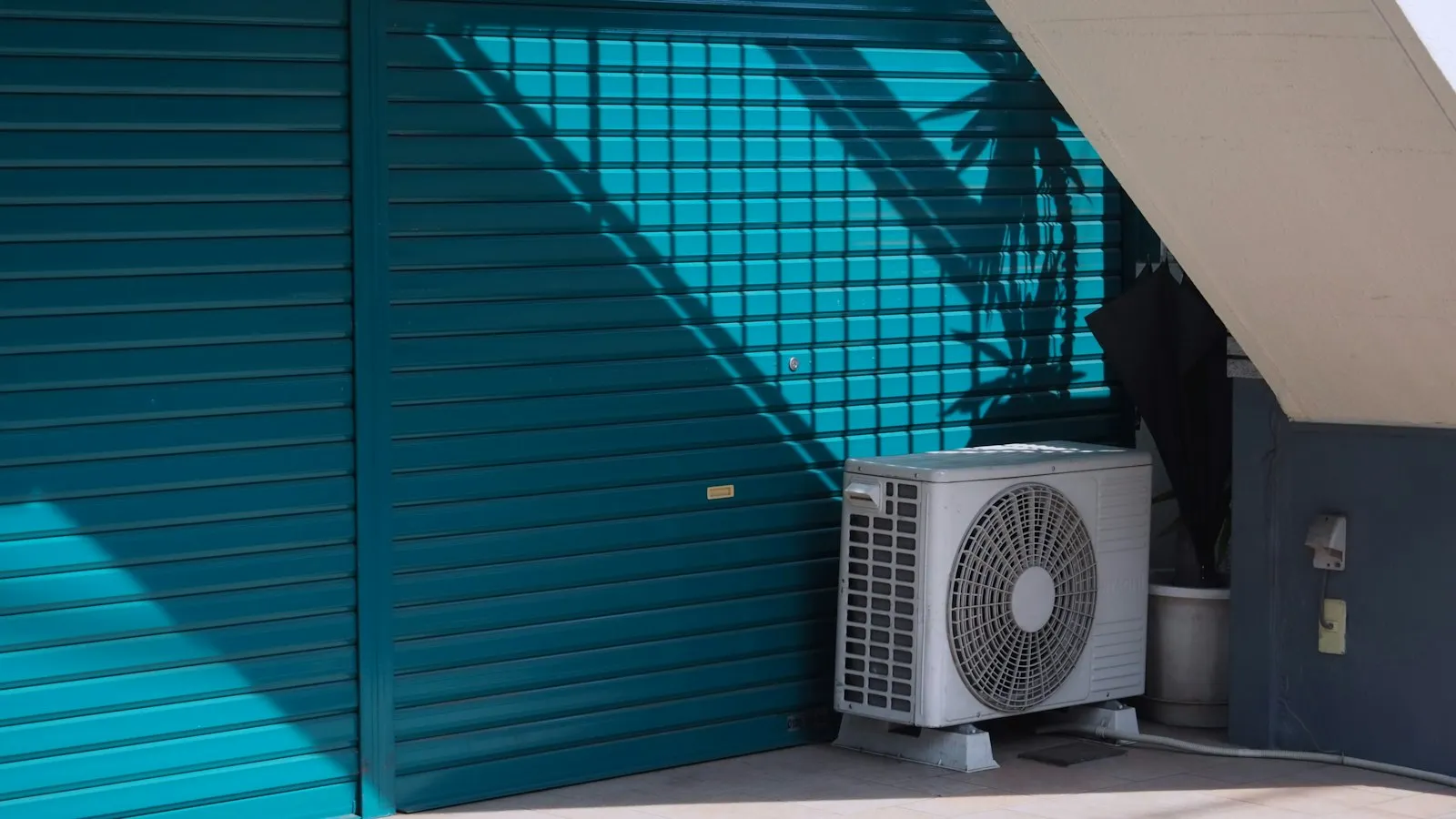
Likely causes. A failed run capacitor, a seized compressor, or a bad contactor.
Check yourself. Nothing. Capacitors store a dangerous charge even with the power off.
Call a professional. This is frequently just a capacitor — an inexpensive part and a quick repair — which is a good argument for calling early rather than waiting to see whether it gets worse.
The Line Between DIY and Professional
Reasonable to do yourself: changing filters, replacing thermostat batteries, resetting a breaker once, clearing the condensate line with vinegar, rinsing the outdoor coil with a garden hose, clearing vegetation, opening vents, and tightening loose panel screws with the power off.
Requires a licensed technician: anything involving refrigerant (handling it without EPA certification is illegal), any line-voltage electrical work, capacitor replacement, compressor or blower motor work, sealed-system repairs, gas furnace and combustion work, and duct modification.
The economics favor calling early. Most expensive HVAC failures began as inexpensive ones that were allowed to run.
What to Do Before the Technician Arrives
A few minutes of preparation makes the visit faster and the diagnosis more accurate, and in peak season that matters.
Write down what you observed. When did it start? Does it happen at a particular time of day, or only when it is very hot? Is the outdoor unit running? Is there any noise, smell, or visible ice or water? Intermittent faults are the hardest to diagnose, and a homeowner’s notes are often the only evidence of a problem that is not occurring at the moment the technician is standing there.
Note the equipment details. The model and serial numbers are on a data plate on the outdoor unit and the indoor air handler. Having them ready means parts can be identified immediately rather than after a second trip.
Clear access. Move boxes away from the indoor unit, unlock gates, and secure pets. Attic access should be clear and the ladder path unobstructed.
Have your service history to hand. Recent repairs, the age of the system, and whether it has been maintained all shape the diagnosis.
Turn a frozen system off ahead of time. If there is ice, a technician cannot assess anything until it thaws — which can take hours. Switching it off before calling can save an entire visit.
Questions Worth Asking Your Technician
You are entitled to understand what you are paying for. Reasonable questions include: what specifically failed, and what caused it; whether this is a symptom of a larger problem; what the repair costs and what happens if it is deferred; whether the part is under warranty; and, if replacement is being recommended, why repair is not viable.
On a refrigerant issue, ask directly whether a leak search was performed and where the leak was found. Adding refrigerant without locating a leak is not a repair — it is a temporary measure that will need repeating, at your expense, while venting refrigerant into the atmosphere.
A technician who measures, documents and explains is giving you the information to make your own decision. One who cannot say why a part failed, or who recommends full replacement without diagnosing the fault, is worth a second opinion.
Preventing Most of This
Of the twelve faults above, the majority are preventable. Clogged filters, blocked drains, dirty coils, failing capacitors and degraded airflow are exactly what an annual tune-up is designed to catch, and they account for a large share of the emergency calls we run each summer.
The pattern is consistent: the homeowners who call us in an emergency are rarely the ones with the oldest equipment. They are the ones whose systems have not been inspected in several years. A capacitor tested in March costs very little to replace; the same capacitor left in service runs the compressor hot until the compressor fails, and that is a repair large enough to prompt a replacement conversation.
Frequently Asked Questions
My AC is not cooling — should I add refrigerant?
No. A sealed system does not consume refrigerant. If it is low, there is a leak, and adding more without finding it wastes money and vents refrigerant into the atmosphere.
How long should an AC run per cycle?
Fifteen to twenty minutes is typical in moderate conditions. On very hot days, near-continuous operation is normal and not a fault.
Is it cheaper to repair or replace?
Multiply the repair cost by the system’s age in years. If the result exceeds replacement cost, replacing is usually the better investment — particularly for R-22 systems, where refrigerant alone is now expensive.
Why does my breaker trip every time the AC starts?
Often a failing capacitor or a compressor drawing excessive current. Do not keep resetting it; have it diagnosed.
When You Need Help
At Vision Air Cooling & Heating, we diagnose before we quote, explain what we found in plain language, and offer repair options rather than pushing replacement. We serve homes and businesses across Texas, including 24/7 emergency service when a system fails at the worst possible moment.
See our AC repair and furnace repair services, or review our guarantees.
Call (832) 680-6210 or request a free estimate.