



If you live anywhere between Houston and Corpus Christi, your air conditioner is not a seasonal appliance. It is the single hardest-working system in your home. In much of Texas the cooling season runs from March into November, and during a bad August stretch a residential system can run eighteen hours a day for weeks without a meaningful break. That workload changes the maintenance conversation completely. Advice written for a mild northern climate simply does not apply here.
The short answer is that a Texas air conditioner should be professionally serviced once a year at minimum, ideally every spring, and a heat pump — because it runs year-round — should be seen twice a year. But the useful answer is longer than that, because it depends on the age of your equipment, whether you have pets, how dusty your area is, and whether the system was installed correctly in the first place.
How Often Should AC Maintenance Be Done in Texas?
For a conventional split system with a separate furnace, one thorough tune-up per year is the baseline. Schedule it in February, March or early April, before the first real heat arrives. There are two reasons for that timing, and both matter.
The first is diagnostic. A spring visit finds the problems that developed quietly over winter — a capacitor that has drifted out of tolerance, a contactor with pitted points, a refrigerant charge that has slipped low. These faults do not stop a system on a mild 78-degree day. They stop it on the first 101-degree afternoon, which is exactly when every HVAC company in the state is booked solid.
The second reason is practical. In spring you can get an appointment. In July you are competing with thousands of other homeowners for the same technicians, and a part that would have been a scheduled twenty-minute swap becomes an emergency call.
When Once a Year Is Not Enough
Some systems genuinely need two visits a year:
- Heat pumps. A heat pump is your cooling system and your heating system. It accumulates roughly twice the annual run hours of a cooling-only unit, so it earns a spring and a fall inspection.
- Systems older than ten years. Components are closer to the end of their service life, and the cost of an unexpected failure climbs sharply.
- Homes with multiple pets. Pet hair loads coils and blowers far faster than most homeowners expect.
- Properties near construction, farmland, or unpaved roads. Airborne dust coats the outdoor condenser coil and quietly strangles heat rejection.
- Commercial and light commercial equipment. Rooftop units face direct sun, weather and far longer duty cycles. Quarterly service is common.
What Is Actually Included in Professional AC Maintenance?
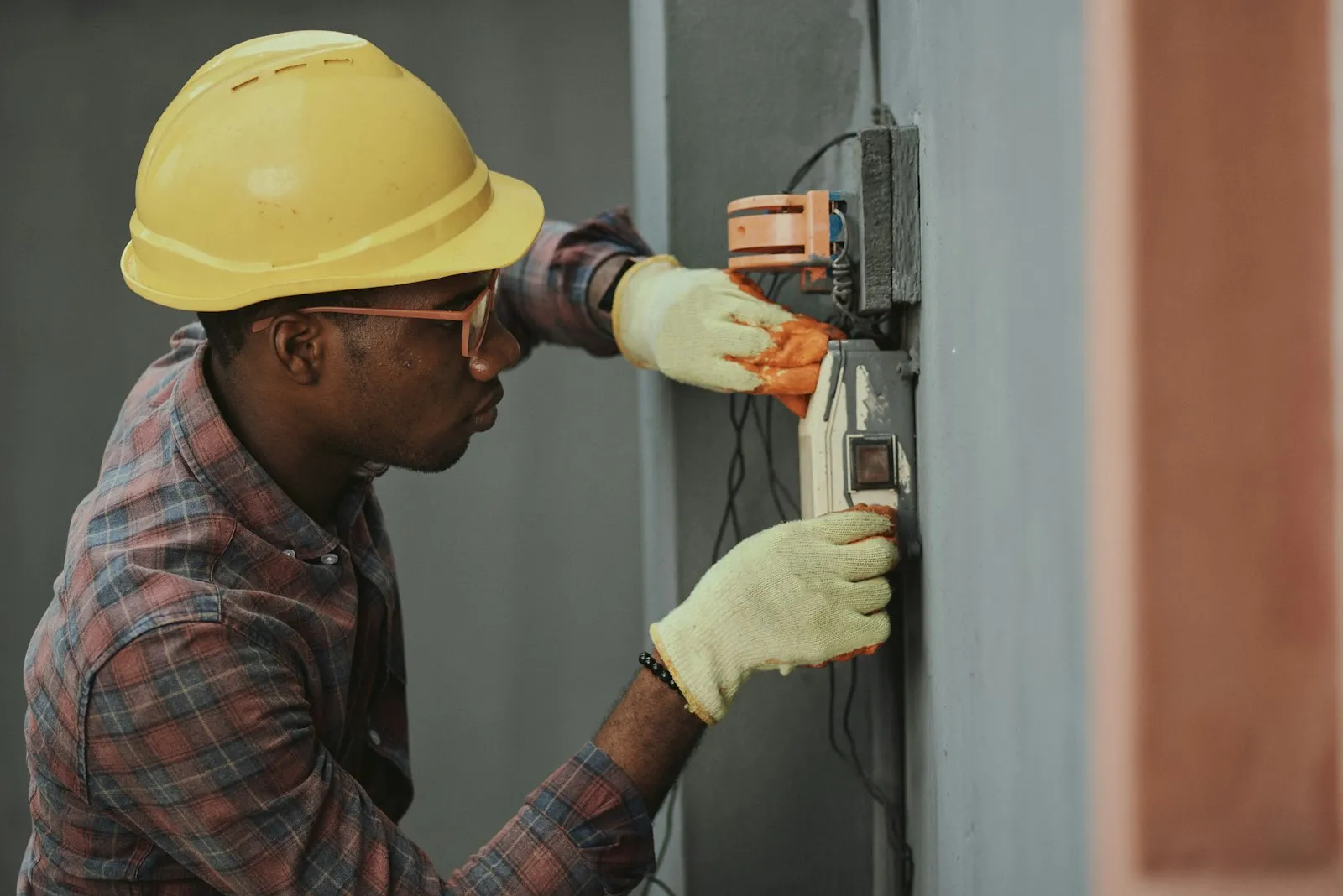
This is worth understanding, because “maintenance” is used loosely in this industry. A genuine tune-up is an hour or more of work, not a ten-minute filter change and a sticker on the unit. At Vision Air Cooling & Heating, a maintenance visit covers the following.
Full System Inspection
The technician evaluates the complete system — indoor air handler or furnace, outdoor condenser, line set, drain assembly and thermostat — looking for wear, corrosion, refrigerant oil residue that signals a leak, and any installation defect that is shortening equipment life.
Cleaning the Condenser and Evaporator Coils
This is the step that most affects your power bill. Both coils transfer heat, and both lose efficiency as they load up with dust, grass clippings, cottonwood and pet hair. A condenser coil packed with debris forces the compressor to work against artificially high head pressure. That raises energy consumption measurably and shortens compressor life. The evaporator coil indoors collects a finer film that restricts airflow and can eventually freeze the coil solid.
Checking Refrigerant Levels and System Pressures
A properly installed sealed system does not consume refrigerant. If the charge is low, there is a leak, and adding refrigerant without finding it is throwing money into the air. A technician measures suction and liquid pressures, calculates superheat and subcooling, and compares those figures against the manufacturer’s targets. An undercharged system cools poorly and can destroy a compressor; an overcharged one is just as damaging.
Inspecting Electrical Components
Capacitors, contactors, relays, disconnects and wire terminations all get checked. Capacitors are the classic example of why maintenance pays: a capacitor that has fallen below its rated microfarad value still runs the motor, but it runs it hot. Caught in spring, it is an inexpensive part. Left alone, it takes the compressor or blower motor with it.
Testing Airflow and Thermostat Calibration
Airflow is where a surprising share of comfort complaints originate. The technician verifies static pressure, blower performance and temperature split across the coil, and confirms the thermostat is reading accurately and cycling the equipment correctly.
Clearing the Condensate Drain
In Texas humidity, an air conditioner pulls a remarkable volume of water out of your indoor air. That water leaves through the condensate drain, and that drain grows algae. A clogged drain either trips a safety switch and shuts the system down, or overflows into a ceiling. This is one of the most common and most preventable service calls we run.
Benefits of Regular AC Maintenance
Lower Energy Bills
Cooling is typically the largest line item on a Texas summer electric bill. Dirty coils, restricted airflow and an incorrect refrigerant charge all push consumption up while delivering less cooling. Restoring a system to its design condition is the cheapest efficiency improvement available to most homeowners — no new equipment required.
Fewer Breakdowns When It Matters
Most catastrophic failures announce themselves months ahead as small, measurable changes. Maintenance is how those signals get caught. The failures we cannot prevent are usually the ones on systems we have never seen.
Longer Equipment Life
A well-maintained system frequently reaches fifteen years or more. A neglected one in this climate can be finished in eight to ten. Given what a full replacement costs, extending service life by even a few years is a substantial return.
Better Indoor Air Quality
Clean coils and drains give mold and bacteria nowhere comfortable to grow, and correct airflow means your filtration actually does its job. In a region where windows stay shut for months, that matters more than people assume.
Maintaining Your Manufacturer Warranty
Nearly every major manufacturer requires documented annual maintenance to keep the parts warranty valid. Homeowners routinely discover this at the worst possible moment — when a compressor fails in year seven and the claim is denied for lack of service records. Keep the paperwork.
Why Texas Homes Are Harder on HVAC Systems
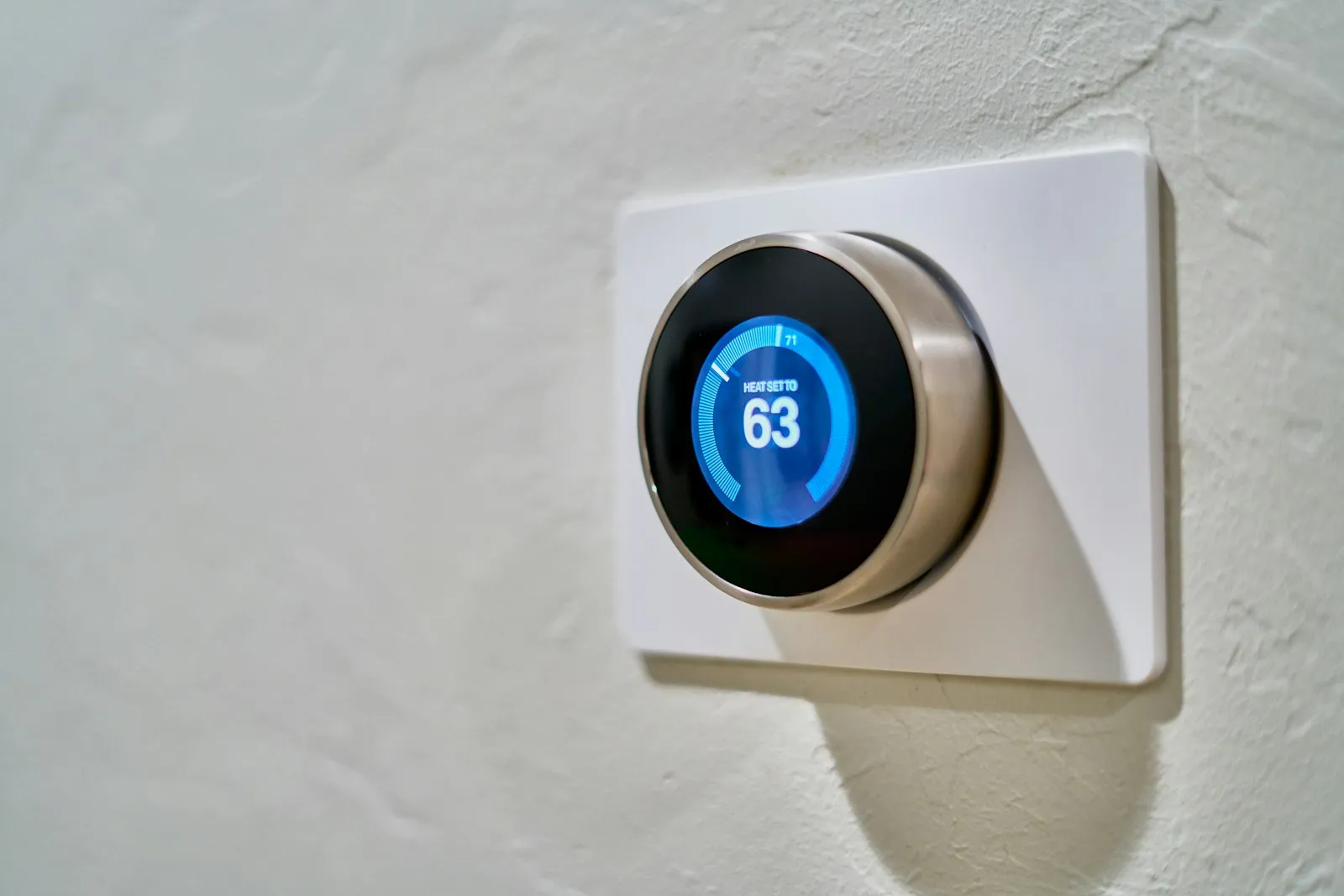
Three things about this climate compound the wear.
Sustained runtime. Equipment rated for intermittent cycling instead runs near-continuously for months. Bearings, capacitors and compressors all age on run hours, not calendar years.
Humidity. Gulf Coast moisture means your system is dehumidifying as hard as it is cooling. That is latent load the equipment must handle on top of temperature, and it is why oversized systems perform so badly here — they satisfy the thermostat quickly, shut off before removing moisture, and leave the house cold and clammy.
Dust and pollen. Cedar season, spring pollen and regional dust load filters and coils fast. A filter that would last three months elsewhere may need changing monthly here.
Skipping maintenance in this environment leads predictably to higher energy bills, reduced cooling performance, and system failure during the exact week the heat peaks.
What You Should Do Between Professional Visits
Maintenance is not entirely the technician’s job. Four habits make a real difference:
- Change the filter on schedule. Check monthly. A one-inch filter typically needs replacing every 30 to 60 days in Texas; four- and five-inch media filters last six months to a year. A clogged filter starves airflow and can freeze the coil.
- Keep the outdoor unit clear. Two feet of open space on all sides. Trim shrubs, pull weeds, and rinse the coil fins gently with a garden hose — never a pressure washer, which bends the fins closed.
- Pour a cup of distilled vinegar down the condensate line every couple of months. It keeps algae from establishing.
- Pay attention to changes. New noises, weaker airflow, longer run times, a rising bill with no change in habits, or water near the indoor unit are all early warnings. Call while it is small.
Warning Signs That Should Not Wait
- Warm air from the vents while the system runs
- Ice on the refrigerant lines or the indoor coil
- Grinding, screeching or repeated clicking at start-up
- A burning or musty smell when the system starts
- Breakers tripping when the unit kicks on
- Rooms that will not hold temperature no matter the setting
Any of these is worth a call now rather than after the weekend.
How Much Does AC Maintenance Cost?
Far less than the repair it prevents. A single tune-up is a modest flat fee; an annual maintenance agreement usually bundles two visits, priority scheduling and a discount on any repairs, which is why most Texas homeowners come out ahead on the plan. Compare either figure against an emergency compressor replacement in August and the arithmetic is not close.
If cost is the obstacle for a larger repair or replacement, ask about financing options — flexible monthly payments exist precisely so that a failed system does not become a crisis.
Frequently Asked Questions
Is spring or fall better for AC maintenance?
Spring, for cooling equipment. You want the system verified before the heat, not after. If you have a heat pump or gas furnace, add a fall visit for the heating side.
Can I skip a year if the system seems fine?
You can, but you are trading a known small cost for an unknown large one, and you may be voiding your parts warranty. “Seems fine” is not a diagnosis — a system can be running 20% inefficient and feel normal.
Does a new system still need maintenance?
Yes, from year one. New equipment is where warranty documentation matters most, and a first-year inspection catches installation issues while they are still someone else’s responsibility to fix.
How long does a maintenance visit take?
A genuine tune-up runs roughly 60 to 90 minutes for a single system. If someone is in and out in fifteen minutes, you did not get a tune-up.
Trust the Local Experts
At Vision Air Cooling & Heating, we help homeowners and businesses across Houston, Austin, Dallas, San Antonio, Victoria and Corpus Christi stay comfortable year-round with professional HVAC maintenance built for this climate — not a generic checklist. Our licensed technicians document every visit, explain what they found in plain language, and never sell you a repair you do not need.
Learn more about our annual maintenance service, or read about the standards behind our work on our guarantees page.
Schedule your AC maintenance today and protect your comfort before the next heat wave. Call (832) 680-6210 or request a free estimate.